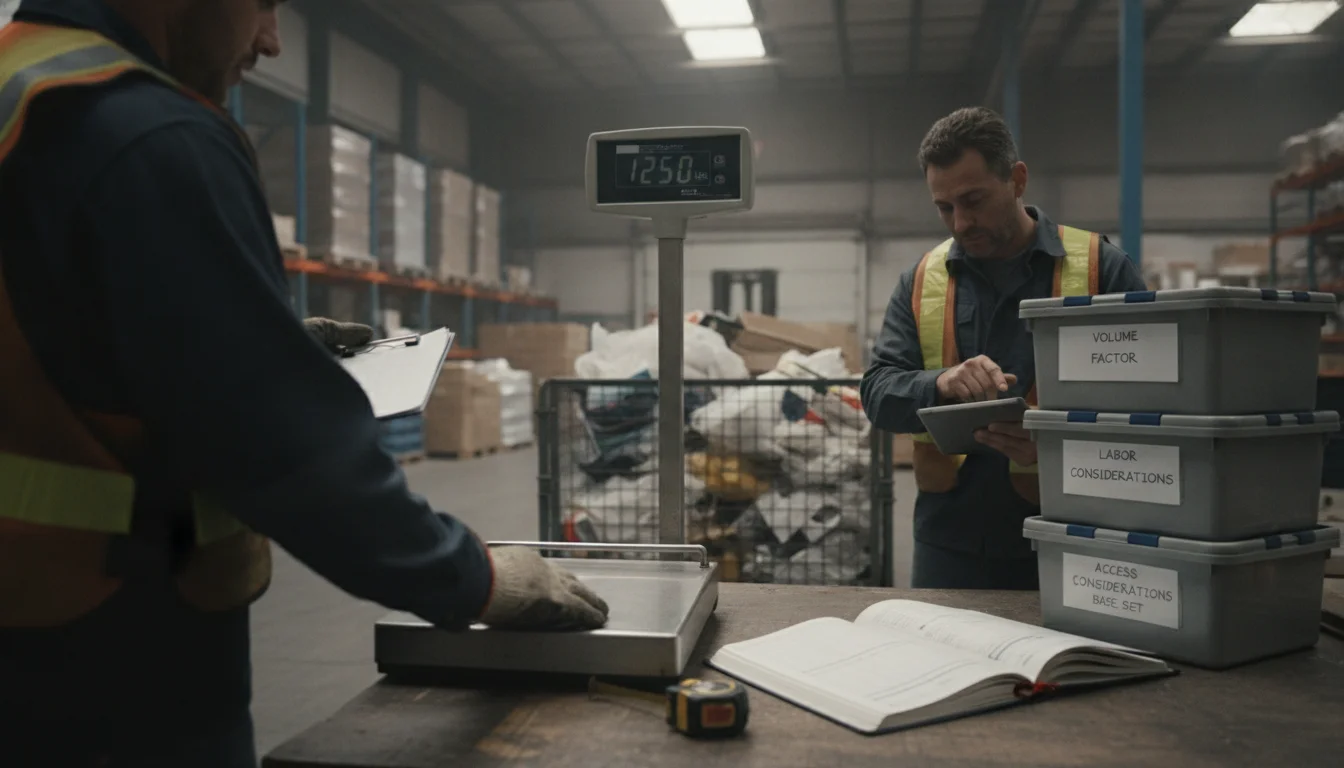
A warehouse cleanup service includes a walkthrough to confirm scope, safe dismantling of racks and bulky items, efficient loading and hauling, material recycling, compliant handling of regulated waste, and a final broom sweep with sign‑off—planned around your hours so operations in New Port Richey keep moving.
Looking for a simple plan to clear pallets, racks, and bulky junk without halting work in New Port Richey? This guide breaks down how pros do it, step by step.
Table of Contents
- What does a warehouse cleanup service include from start to finish?
- How do professionals handle pallets, racking, and bulky debris?
- What equipment and safety standards are used on commercial sites?
- Can a warehouse cleanup service manage hazardous or e-waste properly?
- How is pricing calculated and what affects the final cost?
- What scheduling options minimize downtime for operations?
- How should you prepare your facility before the crew arrives?
- Frequently Asked Questions
- Key takeaways
- Conclusion
What does a warehouse cleanup service include from start to finish?
A full service starts with a pre‑clean walkthrough. The crew lead reviews access, dock height, floor plan, and safety notes. They confirm what stays and what goes, map a load path, and choose staging points. This short meeting sets the job up to run quickly and safely from the first load to the last.
Next comes the scope. The scope lists areas, item types, and any add‑ons. Common items include rack teardown, pallet stack removal, loose shrink wrap, old conveyors, and scrap metal. It also notes any data needs—such as a load log, photos, or a certificate for e‑waste—and sets the start time and crew size.
Work then proceeds in zones. Pros block a small area, tag items, and start breakdown. Pallets are stacked to spec. Loose trash moves to carts. Metals collect in one pile and cardboard in another. Bulky items are cut or unbolted. The goal is to keep lanes clear and remove trip hazards.
Loading follows a plan. High volume goes first. Heavy items ride low and tight; lighter material tops off the load. Dock spots turn fast while trucks cycle to keep space free. If docks are busy, crews switch to box trucks or smaller runs without slowing your floor.
After removal comes the final sweep. Floors are broomed; corners, under racks, and dock wells are checked. The manager walks the site with you for sign‑off. You receive straightforward documentation—load photos, a materials list, and any records for regulated waste.
Pre-clean walkthrough and scope
This short meeting sets goals and risk controls. It also saves time on move day by aligning crews with your access and operations plan.
Final sweep, sign-off, and documentation
You confirm the job is completed as agreed. You get the records you need for files, audits, or landlord requirements.
How do professionals handle pallets, racking, and bulky debris?
Pros sort by material first. Wood pallets stack by grade, with broken ones routed to wood recycling or fuel partners. Plastic pallets enter plastics streams. Metal racks and wire decks go to scrap. This approach cuts landfill use and clears space faster while improving traceability of materials.
For racks, crews unbolt frames and beams in a set order. Beams come down with pins pulled; uprights are braced, then lowered. Anchors are backed out. Each step keeps people and product safe. Parts are banded and staged for reuse or scrap. Shelving follows a similar plan.
Bulky gear—conveyors, tables, or mezz components—is taken apart methodically. Teams use impact tools and saws with guards. Sharp edges are capped. Heavy pieces are strapped to dollies. Cones and tape keep the load path open so forklifts and staff can move without conflict.
Loading is tight and neat. Wood stacks together, metal by size, and loose wrap and film are bagged. Trucks never mix hazardous materials with regular debris. When docks are full, crews use side doors or ramp plates and protect floors with mats when rolling heavy wheels.
Recycling streams stay organized to keep waste low. Cardboard bales, stretch film, and banding are bundled. Metals head to the scrap yard. Usable pallets may be resold or donated. E‑waste is isolated for specialized handlers.
Safe dismantling and material separation
Breaking heavy items in place raises risk. Teams move items to a safe zone, then dismantle and sort by stream for faster loading and cleaner reporting.
Loading, transport, and recycling streams
Loads are planned to match weight and route. Recycling is tracked so you can report landfill diversion when requested by management or landlords.
What equipment and safety standards are used on commercial sites?
Pros follow OSHA rules. OSHA is the federal agency that sets workplace safety standards. Crews wear PPE (personal protective equipment): hard hats, eye and hand protection, and safety shoes. High‑visibility vests help drivers see pedestrians in active aisles. See the OSHA overview on Personal Protective Equipment.
Forklifts and pallet jacks move bulk. Only trained operators run lifts, which are inspected before use. Aisles stay within rated widths, and loads remain within posted rack and lift limits. Learn more at OSHA’s page on Powered Industrial Trucks.
Cutting tools use guards and dust control. Cords are taped down. Ladders and mobile stairs are inspected, fall areas are marked, and emergency exits remain clear. When fluids are present, crews keep spill kits ready to contain and clean safely.
Access matters on large sites. Dock levelers are checked and wheel chocks are set. If docks are tight, teams switch to ramps or lift gates. Floor protection goes down to guard epoxy or polished slabs. For high ceilings, scissor lifts provide safe reach for hanging sign or conduit removal.
Communication keeps people safe. Crews use radios, a spotter watches when lifts turn or back up, and clear hand signals help near noisy equipment. Daily huddles set goals, zones, and stop times.
OSHA-compliant practices and PPE
Standards and PPE reduce risk and help your insurance, safety metrics, and audit readiness.
Heavy machinery and access solutions
Forklifts, scissor lifts, and ramps speed the job while protecting docks, floors, and racking.
Can a warehouse cleanup service manage hazardous or e-waste properly?
Yes—when trained teams handle it. Hazardous waste is any waste that can harm people or the environment, including certain chemicals, paints, aerosols, and batteries. E‑waste refers to old electronics and IT gear that need special handling. The EPA explains e‑waste management at Sustainable Management of Electronics.
Pros begin with identification. They may request Safety Data Sheets (SDS) where needed, look for labels on drums and cans, and separate batteries, fluorescent lamps, and devices with screens. Liquids are checked for leaks and stored upright.
When e‑waste appears, it’s packed by type. Hard drives can be removed for wipe or shred based on your policy. Devices are stacked in lined bins and sent to specialized recyclers. You can request a certificate of recycling or destruction for records.
Hazmat items follow strict rules for storage, marking, and transport. Drivers carry the right documents for regulated loads; see the U.S. DOT’s guidance on Hazmat Shipping Papers.
Records matter for audits and landlord closeouts. Good providers keep load photos, weight tickets when available, and vendor receipts that tie back to your cleanup date and dock bay.
Identifying regulated materials
Staff tag suspect items early, keep them away from general debris, and list them on the scope so nothing slips into the wrong stream.
Certified disposal and required records
Vetted partners finalize disposal or recycling. You receive clear paperwork to close the loop and satisfy compliance requests.
How is pricing calculated and what affects the final cost?
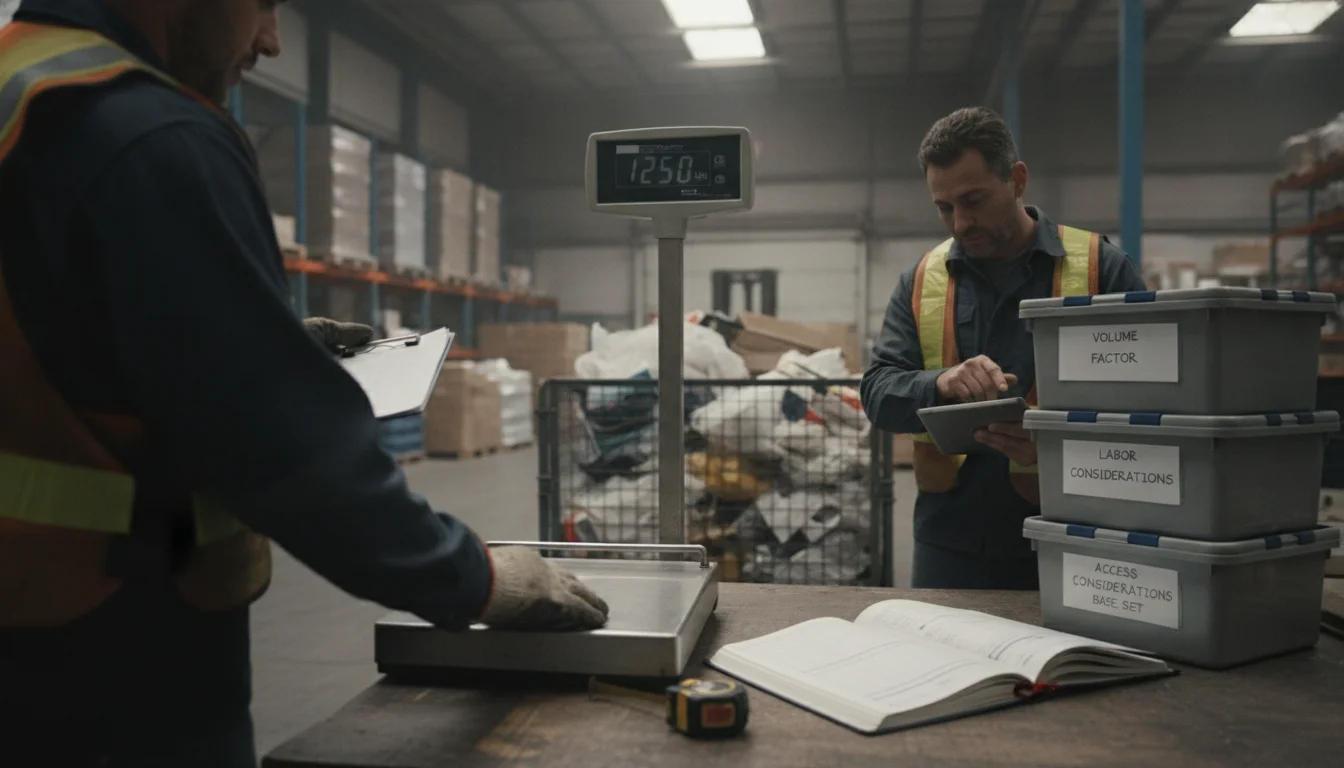
Cleanup costs typically vary by volume, labor, and access. Volume is the space debris takes in a truck or dumpster. Labor covers the time and skill to move, dismantle, and load. Access includes dock availability, elevator time, stairs, and the travel path from zone to truck.
The material mix also matters. Pallets, racks, and metal may reduce disposal costs due to scrap value, while loose mixed trash tends to cost more to dump. E‑waste and hazardous materials require special handling, adding time and vendor fees. Tight timelines, after‑hours scheduling, or extra security checks can also raise costs.
Site rules influence the plan. If a landlord limits truck size or hours, more cycles may be needed. If escorts are required, crews move in smaller groups. Weather can slow outside staging. A capable team builds these variables into the schedule so surprises are rare.
Ask how they count loads. Some use truck fractions, others a per‑item or per‑zone model. For dense jobs, weight may be used when scales are nearby. Your provider should explain their measurement method and how you can verify it.
Volume, labor, and access factors
These three drivers set the base price drivers. Materials, timing, and site rules adjust the figure up or down.
Line items you should expect on a quote
- Project scope and areas covered
- Crew size and expected hours
- Equipment included (lifts, carts, PPE)
- Material streams and disposal partners
- Scheduling notes and access plan
- Documentation to be provided
What scheduling options minimize downtime for operations?
Pros tailor plans to your shifts. Many clean during after‑hours or weekends. Quieter floors mean clear lanes and quicker loading. Phased work keeps part of the floor open while one zone is cleared, with signs and cones marking live versus work zones.
If you must stay open, teams stage in small areas—closing one aisle, clearing it, then reopening it. They sync with your dock team: when carriers hit the dock, crews pause; once docks free up, loads move out fast.
Busy sites need extra checks. Daily talks set goals and times; managers coordinate by radio. If a carrier blocks a dock, the plan shifts to a side door or lift gate. Box trucks help when semis can’t reach the door.
Some facilities use a night/day handoff. Day staff tag items and prep stacks; night staff load and haul. Notes and photos keep the plan tight across shifts.
After-hours and phased cleanouts
Work when the floor is quiet, and use zones so your team keeps moving without risk.
Coordination with facility and carriers
Share dock times and live‑load windows. Align breaks and truck cycles to keep freight flowing without disrupting New Port Richey operations.
How should you prepare your facility before the crew arrives?
Good prep speeds the job and reduces risk. Start with a clear keep/remove plan using tags or tape. Green means keep; red means remove. Mark fragile or time‑sensitive items. Ask staff not to place new stock in tagged zones.
Move live product out of the work path. Clear a staging area near the dock. If you have a baler, bale cardboard beforehand; if not, the crew will bundle it. Ensure restrooms and break rooms remain open for your staff.
Share site rules. Security procedures, PPE requirements, and must‑avoid areas help the crew plug in fast. Arrange badges if needed and provide a single point of contact.
Walk the dock and parking lots. Mark low pipes, tight turns, and no‑park zones. Check interior and exterior lighting—good light improves speed and safety.
Clear-to-keep vs. remove tagging
Simple tags prevent guesswork and avoid removing essential items by mistake.
Site readiness checklist for a faster cleanup
- Tag keep/remove on racks, pallets, and gear
- Open clear paths from zones to the dock
- Reserve dock spots and set wheel chocks
- Share shift times and carrier windows
- Stage bins for cardboard, metal, and film
- Confirm badges, escorts, and site contacts
Frequently Asked Questions
Do junk removal companies take couches and office furniture from warehouses?
Yes. Crews remove couches, chairs, desks, and break room sets. They protect doors and floors, then load items by size. Many donate usable pieces and recycle metals. A warehouse cleanup service can include this as part of a larger clear‑out.
Where can I throw away big furniture from a commercial site?
Oversized items may not be accepted at regular dumpsters depending on local rules. Use a commercial junk removal team or a transfer station that accepts bulky waste. Pros handle loading, transport, and disposal requirements so your staff can stay focused on core work.
Are there junk removal packages for entire facilities?
Yes. Many providers offer full cleanouts by zone or by building. Packages can include rack teardown, pallet stacks, electronics, and loose debris. They also plan after‑hours work and dock schedules so your operation keeps moving.
How do I get rid of old electronics and IT gear?
Keep e‑waste separate. Remove or wipe hard drives per your policy. Pack devices in lined bins. An e‑waste recycler can manage chain of custody and provide a certificate.
Where do I take tree branches or pallets near me?
Tree branches usually go to green‑waste or city drop‑off sites. Pallets can be recycled, resold, or chipped. A local team in New Port Richey can pick them up and sort them by grade as part of a scheduled service.
Key takeaways
- Plan the walkthrough and scope. Clear goals speed work and reduce risk.
- Sort early by stream. Pallets, metals, and cardboard move faster when staged right.
- Work safely. Follow OSHA rules, use PPE, and protect docks and floors.
- Handle special waste correctly. Use specialized partners for e‑waste and hazmat with proper documentation.
- Schedule smart. After‑hours or phased plans keep your floor active with minimal disruption.
Conclusion
New Port Richey Junk Removal works across New Port Richey every week to clear pallets, racks, and bulky debris with straightforward plans and careful documentation. New Port Richey Junk Removal can also coordinate Commercial Junk Removal, Construction Debris Removal, Appliance Removal, Estate Cleanout, and Shed Removal & Demolition as needed for a comprehensive project. Contact us to schedule a warehouse cleanup that fits your hours and keeps operations moving with minimal downtime in New Port Richey.
If you are not sure which of these you are dealing with, it is worth having someone look at it before it turns into a bigger job. Get in touch with New Port Richey Junk Removal today and we will tell you where you stand.