A professional concrete disposal service can help when broken slabs, bricks, asphalt, or masonry are too heavy, bulky, or unsafe to move alone. The main signs include blocked work areas, limited hauling space, unclear disposal rules, mixed debris, and risks to lawns, driveways, walls, or finished surfaces.
Table of Contents
- How can you tell when concrete debris requires professional removal?
- Is the concrete too heavy or bulky to handle safely?
- Does the debris exceed your truck, trailer, or disposal capacity?
- Are broken slabs, bricks, or asphalt blocking your job site?
- Do local disposal rules make concrete removal complicated?
- Could concrete removal damage your property or landscaping?
- How does hiring a professional concrete disposal service simplify cleanup?
- Frequently Asked Questions
- Conclusion
How can you tell when concrete debris requires professional removal?
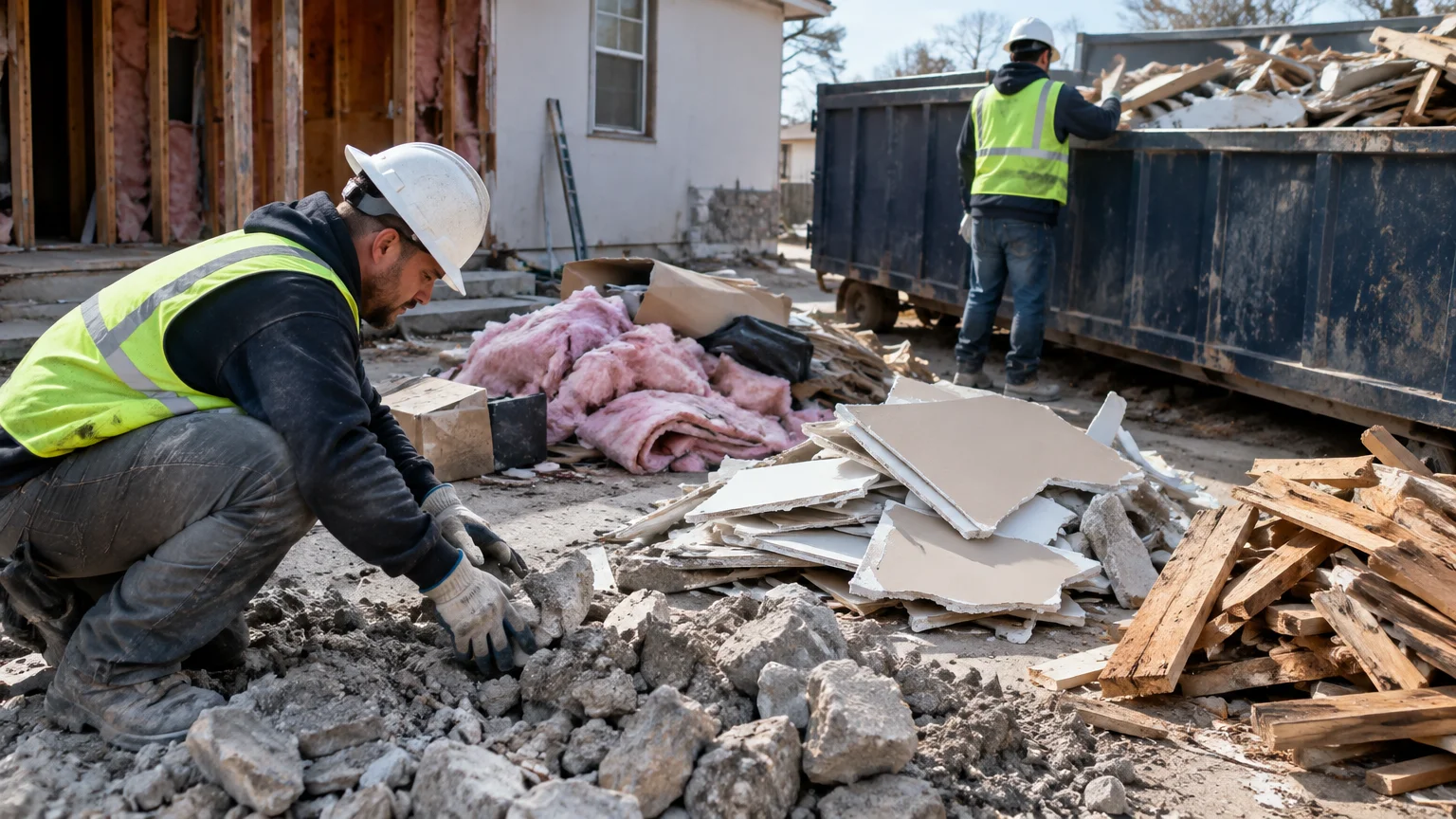
Seven signs show that professional help may be needed: the debris is too heavy, the pile is too large, the work area is blocked, disposal rules are unclear, materials are mixed, property damage is possible, or cleanup is delaying the project. These problems often begin after demolition, remodeling, or repair work.
Concrete debris includes broken slabs, chunks, bricks, pavers, asphalt, and masonry. Unlike normal household junk, these materials are dense and hard to move. A small pile can still put great strain on a person, hand truck, trailer, or pickup bed.
A contractor may need a clear site before the next worker arrives. A homeowner may need an old patio, walkway, or driveway removed before new work starts. In either case, a professional concrete disposal service can help plan the job and keep work moving.
Recognizing the seven warning signs
A pile needs closer attention when it sits near a narrow gate, soft ground, or sharp drop. The same is true when workers must carry pieces across floors, planted areas, or steep ground. These conditions make basic cleanup harder and less safe.
The warning signs often appear together. A large pile may block a driveway and exceed a trailer’s safe load. Mixed debris may add sorting work and create more disposal steps. When several problems appear, professional removal is often the safer choice.
Why broken concrete is different from ordinary household junk
Concrete does not compress like cardboard, fabric, or loose household items. It can shift while being lifted and damage surfaces when dragged. It also creates dust and sharp edges when pieces break apart.
New Port Richey Junk Removal helps homeowners, contractors, and property owners review their removal needs. A look at the pile, access path, and nearby surfaces can show the main risks before loading begins.
Is the concrete too heavy or bulky to handle safely?
Concrete may be too heavy to move safely when one person cannot lift each piece with steady control. Odd shapes, broken edges, and uneven ground add more risk. If workers must twist, carry far, or stack pieces above shoulder height, professional help is a sensible choice.
A safe lift needs firm footing and a clear path. Broken slabs may have rough edges that cut gloves or clothing. Pieces may also roll, tip, or slide when placed on a dolly. These risks grow near steps, walls, vehicles, and active work areas.
Homeowners can often handle light sweeping and small loose pieces when the path is clear. Wear sturdy shoes, gloves, and eye protection for simple cleanup. Do not lift large sections, break concrete with power tools, or move heavy loads without the right equipment and help.
How weight and awkward shapes create injury risks
Large pieces are not always easy to judge by sight. A thin slab may still be hard to control because it is wide and difficult to grip. A broken corner can shift without warning while two people carry it.
Dust is another concern. Dry sweeping can send fine particles into the air. Light cleanup may be safe with care, but heavy breaking and loading should be left to trained workers with proper safety gear.
When tools and additional labor are needed
Some jobs need carts, ramps, lifting tools, or more than one person. Other jobs need careful breaking before loading. The right method depends on the material, pile size, access route, and nearby property features.
A professional crew can plan how the debris will move before handling it. The plan may include protecting a doorway, keeping people away from the loading area, and placing pieces so they stay stable during transport. This helps prevent rushed choices and property damage.
Does the debris exceed your truck, trailer, or disposal capacity?
A load may exceed a vehicle’s safe capacity when concrete fills the bed quickly or forces pieces above the sides. Volume alone does not show the full problem. Dense material can make a vehicle unsafe before it looks full.
Many homeowners also lack a safe way to secure broken masonry. Loose pieces can shift during travel and damage the vehicle. A trailer may need strong tie-down points, a suitable gate, and a safe loading method.
Project managers should also think about time lost during extra loading and unloading. A small vehicle may need several trips. Each trip can interrupt demolition, delay other workers, and leave the site partly blocked.
Estimating the volume of broken concrete and masonry
Look at the pile from several sides. A flat stack, scattered chunks, and mixed bricks may each need a different loading plan. The empty space between pieces also affects how well the load can be arranged.
A quick visual estimate can miss pieces under soil, brush, or other debris. It can also miss heavy material behind a building or inside a garage. A professional review helps account for the whole cleanup area.
Why multiple trips can delay a construction project
Extra trips take time away from the main job. They may leave tools, workers, or customers waiting for a clear path. Bad weather can make the delay worse when debris sits outside between trips.
A planned removal helps the contractor choose the right time. The crew can clear the area before deliveries, inspections, landscaping, or final cleaning. For New Port Richey projects, New Port Richey Junk Removal provides a local point of contact for construction debris removal planning.
Are broken slabs, bricks, or asphalt blocking your job site?
Blocked debris is a clear sign that removal should happen soon. Broken concrete can limit access to doors, driveways, tools, storage areas, and work zones. It can also create trip hazards for workers, residents, visitors, and delivery drivers.
A clear path supports safer movement around the site. It gives workers room to carry materials and helps vehicles reach the loading area. Removing debris at the right stage can also stop new materials from being placed over old waste.
This matters during kitchen, bathroom, patio, driveway, and wall projects. It also matters during property cleanouts when construction waste is mixed with furniture, appliances, or household items. A job site cleanup plan should account for each material instead of treating every item as the same kind of junk.
How debris affects access, productivity, and site safety
Loose chunks can hide nails, metal, glass, and other sharp items. They can also collect water and mud, making walking areas less stable. When debris spreads, workers spend more time stepping around it and less time on the planned work.
A clear site is easier to inspect and organize. It helps the project lead see what remains and what needs protection. It also makes it easier to keep children, pets, and visitors away from active work.
Clearing walkways, driveways, and staging areas
Choose the safest route before pieces move. Note slopes, gates, steps, soft ground, and finished surfaces. Keep the route clear of cords, tools, and stored materials.
Small cleanup tasks may be safe for a homeowner. Large piles near a narrow route are different. In those cases, professional construction debris removal can help clear the space while reducing strain on the property and project team.
Do local disposal rules make concrete removal complicated?
Concrete disposal can become difficult when facilities have rules for loads, accepted materials, sorting, or drop-off times. Requirements vary by facility and material type. A load with concrete, soil, wood, paint, or household waste may need separate handling.
Concrete may be accepted at a construction waste facility, transfer site, or recycling operation. The right destination depends on local rules and the material’s condition. Before hauling, confirm what the chosen facility accepts.
A professional crew can help decide whether the load needs sorting before transport. This is useful when a remodel produces drywall, wood, insulation, packaging, and masonry in one area. Proper separation makes disposal more organized.
Understanding landfill, recycling, and transfer-site requirements
A transfer site is a place where waste is received, sorted, and moved elsewhere. Some sites accept clean concrete apart from mixed construction waste. Others limit certain loads or require special unloading methods.
Recycling may be possible when concrete is clean and free of unwanted materials. Recycled aggregate is crushed material used in some building work. The facility decides whether a load qualifies, so current site rules should be checked first.
Why separating concrete from other construction debris matters
Mixed loads are harder to inspect and process. Wood, drywall, plastic, soil, and metal can change where the material must go. Separating items at the job site makes loading easier and can prevent rejected loads.
When possible, contractors should create separate areas for concrete, wood, metal, and general waste. Homeowners can place small items in marked containers and keep heavy masonry apart. New Port Richey Junk Removal can help New Port Richey customers plan a cleaner process for mixed renovation debris.
Could concrete removal damage your property or landscaping?
Concrete removal can damage property when heavy pieces are dragged across finished surfaces or carried through narrow spaces. Lawns may develop ruts, pavers may crack, and walls or door frames may be scraped. Careful route planning helps lower these risks.
The removal path should match the size and shape of the debris. A route that works for small bricks may not work for a broken slab. The crew should also consider gates, steps, slopes, garden beds, irrigation lines, and parked vehicles.
Homeowners can protect light items by clearing the path and moving loose decorations. Do not move heavy slabs near glass, retaining walls, or steep edges without a controlled plan. These areas need suitable equipment and trained help.
Protecting driveways, lawns, walls, and finished surfaces
Protection may include boards, mats, or other covers along key parts of the route. The right method depends on the surface and equipment. Covers should not create a new trip hazard or block safe access.
Workers should avoid dropping pieces into piles. Controlled placement helps limit cracking, dust, and flying chips. It also keeps the pile stable until loading is complete.
Planning a safe path from the debris pile to the truck
Check the route from the pile to the vehicle before loading starts. Look for tight turns, overhead obstacles, soft soil, and places where people may enter. Place the vehicle where loading will not block emergency access.
A clear plan helps the crew work in a steady order. It also lets the property owner point out fragile areas. This is useful during driveway removal, patio demolition, and exterior remodeling.
How does hiring a professional concrete disposal service simplify cleanup?
Hiring a professional concrete disposal service brings site review, safe loading, hauling, and disposal planning together. The crew first reviews the material, access route, nearby surfaces, and mixed debris. It then chooses a practical way to remove the load.
The process often starts with details about the debris. The crew may ask whether the material includes concrete, bricks, asphalt, soil, wood, drywall, or household items. Clear details help match the plan to the site.
During loading, the crew keeps the area organized and watches for unstable pieces. It may separate materials when needed. After removal, the site can be checked for loose fragments and other hazards.
What to expect during assessment, loading, hauling, and disposal
An assessment identifies the pile size and the best path out. Loading then focuses on stable handling and careful placement. Hauling requires a suitable vehicle and secure transport.
The final step is delivery to an appropriate facility or destination. Facility rules may affect how clean concrete, mixed debris, and other construction waste are handled. Customers should ask which materials are included and what must stay separate.
This same process can support renovation debris hauling, contractor junk removal, and property cleanup. It may also help with related needs such as furniture removal disposal, appliance removal and disposal, or hot tub removal and disposal when those items are part of a larger project.
Key takeaways for contractors, property owners, and homeowners
- Heavy, sharp, or awkward concrete is not ordinary household junk.
- A blocked job site can slow work and create safety problems.
- Vehicle limits and disposal rules matter before loading begins.
- A clear route helps protect lawns, driveways, walls, and finished surfaces.
- Clean separation makes construction waste removal easier to manage.
Frequently Asked Questions
What is the safest way to dispose of broken concrete?
The safest method is to separate concrete from other debris, plan a clear route, and use suitable tools and transport. Small loose pieces may be swept and handled by a homeowner. Large slabs, deep piles, or tight access areas are better suited to a professional concrete disposal service.
Can concrete go in a regular household trash bin?
Concrete should not go into a regular household trash bin. It can damage the container and may exceed collection limits. The correct option depends on local facilities and the material’s condition. A disposal provider or local transfer site can explain accepted loads before transport.
What happens to old appliances during a cleanout?
Old appliances are usually separated from general junk before hauling. Some may need special handling because they contain refrigerants, batteries, wiring, or other controlled parts. A cleanout is a planned removal of unwanted items from a property, often including appliances, furniture, and construction debris.
How can someone get rid of a hot tub after a remodel?
A hot tub often needs draining, disconnecting, breaking down, and careful removal through the available route. The method depends on its size, condition, wiring, and location. Homeowners should leave electrical work to a qualified professional and use trained help for heavy sections.
Can one service remove garage, attic, and basement items in one trip?
One service may remove items from several areas during one planned visit. The provider needs details about stairs, narrow doors, heavy objects, appliances, and construction waste. Combining areas can make cleanup more organized, but the final plan depends on access and load capacity.
Conclusion
Concrete removal becomes a professional job when weight, volume, access, disposal rules, or property risks make the work unsafe or slow. Homeowners can handle light sweeping and small loose pieces when conditions are simple. Large, mixed, or awkward loads need a careful plan from the pile to the disposal site.
In New Port Richey, property owners and contractors can turn to New Port Richey Junk Removal for construction debris removal and related cleanouts. Contact us to arrange a concrete cleanup plan that fits the material, access route, and project needs.