To prepare for roofing debris removal, confirm the roofing work is complete, sort the waste, clear the work area, and choose a safe pickup spot. Keep people, pets, cars, and tools away from loose shingles and nails. Share access details with New Port Richey Junk Removal before collection day.
Table of Contents
- What Should You Do Before Roofing Debris Removal?
- Which Roofing Materials Need Special Handling?
- How Can You Make the Work Area Safe?
- Where Should Roofing Debris Be Placed for Collection?
- What Information Should You Share Before the Removal Appointment?
- How Long Does Roofing Debris Removal Usually Take?
- What Should You Check After Roofing Debris Is Removed?
What Should You Do Before Roofing Debris Removal?
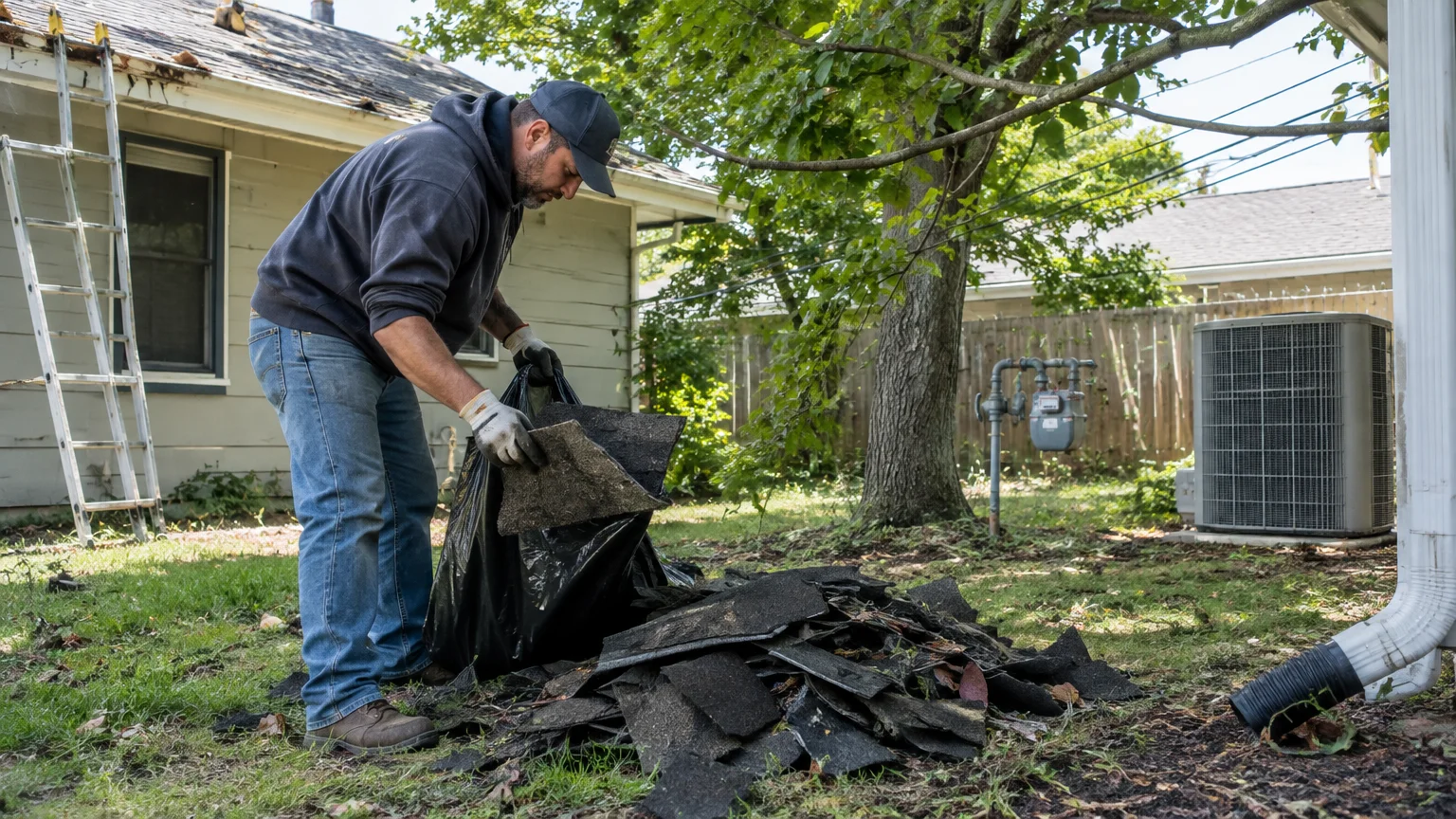
Roofing debris removal works best after the roofer finishes all tear-off and installation work. Confirm that no more shingles, underlayment, flashing, or lumber will be added. This lets the crew collect the full load at one time.
Walk around the property and look for loose waste. Check roof edges, gutters, driveways, flower beds, porches, and side yards. Small pieces can travel farther than expected during tear-off. This check also helps you separate roofing waste from items that should stay.
Confirm the Roofing Project Is Complete
Wait until roof repairs or replacement work are done before the final cleanup. More debris may appear if workers still need to remove old materials, place new shingles, or cut wood. Waiting can prevent repeated handling and keep the work area clear.
The contractor should also remove tools, ladders, tarps, and unused supplies. These items may block access or look like waste during collection. Keep reusable materials separate so the pickup is clear and safe.
Identify the Materials That Need to Be Hauled Away
Roofing waste may include asphalt shingles, wood shakes, underlayment, felt, flashing, drip edge, nails, damaged plywood, and trim. Some homes also have old vents, pipes, or other roof parts. A simple list gives the crew a better idea of the job.
New Port Richey Junk Removal can help New Port Richey property owners sort the debris pile. The same planning helps contractors across the main New Port Richey area, including Downtown New Port Richey, Gulf Harbors, Port Richey, Trinity, Holiday, and Elfers. Appliances, hot tubs, and household junk should be listed separately because they are not part of a normal roofing load.
Which Roofing Materials Need Special Handling?
Most roofing tear-off waste needs careful lifting, sorting, and loading. Large shingle piles can be heavy. Nails and flashing can cut skin or damage tires. Workers should wear gloves and strong footwear and use safe lifting methods.
Some roofing waste may need extra review before removal. The age and condition of the roof can matter. If a contractor suspects an older material may contain asbestos or another regulated substance, stop work and follow local testing and disposal rules.
Shingles, Underlayment, Flashing, and Wood
Asphalt shingles are common after roof replacement. They may have sharp edges and exposed nails. Underlayment is light but can spread across a yard or driveway. Metal flashing and drip edge need care because their cut edges can be very sharp.
Wood pieces may include broken decking, trim, shakes, or framing. Place long boards where they cannot roll or fall. Keep small nails and fasteners in a strong container instead of loose bags that may tear during lifting.
When Roofing Materials May Require Additional Safety Precautions
A homeowner should not handle suspected hazardous materials without guidance from a qualified professional. The same rule applies to debris mixed with chemicals, damaged electrical parts, or unknown dust. Roofing crews and removal providers can explain what should remain untouched until it is checked.
Tell the crew about storm damage, water damage, mold concerns, or unstable roof sections. These details help the team plan its work. New Port Richey Junk Removal can review the debris type before the appointment so the collection plan fits the property.
How Can You Make the Work Area Safe?
Clear the work area before anyone begins loading debris. Keep people, pets, cars, outdoor furniture, and lawn equipment away from the collection zone. This lowers trip risks and gives workers room to carry heavy or sharp materials.
A homeowner can safely complete simple checks from the ground. Do not climb onto the roof or enter an unstable area to search for waste. Roof edges, damaged decking, and loose ladders should be left to trained roofing workers.
Keep People, Pets, Vehicles, and Outdoor Equipment Clear
Move cars out of the loading path when possible. Keep gates unlocked or arrange access before the crew arrives. Pets should stay indoors or in a safe area while workers carry large loads or use carts.
Move outdoor items away from loose shingles and nails. This includes grills, toys, hoses, planters, bicycles, and tools. If an item cannot be moved, point it out before work begins.
Watch for Nails, Sharp Edges, and Unstable Debris
Nails can hide under shingles, tarps, leaves, and grass. A ground-level check can find many hazards, but it may not find every small fastener. Thick gloves and closed-toe shoes can help with simple cleanup. Children should never collect roofing nails.
Do not stack loose piles near stairs, doors, drains, or steep slopes. A shifting pile can block an exit or damage a finished surface. If the area seems unsafe, stop and ask the roofing contractor or removal crew for help.
Where Should Roofing Debris Be Placed for Collection?
Place roofing debris in a stable area with a clear path to the collection vehicle. A driveway or firm surface is often easier than soft soil, but each property is different. The staging spot should not block emergency access, neighbors, drainage areas, or public walkways.
Keep the debris low and contained. Secure light underlayment so wind cannot spread it. Put sharp metal and loose nails in suitable containers when possible.
Choose an Accessible and Stable Staging Area
The crew needs room to walk, lift, and carry materials. A narrow side yard may work if the path is clear. A fenced area may need access planning before collection day. Long paths, stairs, gates, and steep slopes can change how the debris should be staged.
Do not place waste beneath low branches or near overhead lines. Keep debris away from gas meters, electrical equipment, outdoor units, and water drains. These simple steps help protect the property during loading.
Protect Driveways, Landscaping, and Finished Surfaces
Heavy debris can scratch concrete, crush plants, and mark pavers. Protective boards or sturdy coverings may help when approved for the surface. Ask the roofing contractor or removal crew before placing anything that could trap water or cause damage.
Keep landscaping visible around the pile. Branches, garden beds, retaining walls, and irrigation parts can hide under loose shingles. A clear staging area helps the crew remove waste without disturbing finished work.
What Information Should You Share Before the Removal Appointment?
Tell the removal provider what materials are ready, where they sit, and how the crew can reach them. Clear details help prevent delays and reduce surprises on collection day. Photos may also help when the provider has a way to review them before the visit.
A useful description includes the roof type, main debris materials, number of piles, and whether the waste is loose or bagged. Mention stairs, gates, narrow drives, soft ground, and parking limits.
Describe the Debris Type, Volume, and Location
You do not need to measure every piece. A plain description is enough, such as several piles of asphalt shingles beside the driveway. Also say whether the load includes wood, metal flashing, underlayment, nails, or old roof fixtures.
Explain mixed loads early. A roof cleanup may include materials from a shed, garage, or detached structure. Separating roofing waste from general junk makes the work easier and helps the crew bring the right equipment.
Related work may include construction debris, demolition debris, junk removal, or professional furniture removal. List these items before collection so each part of the job is clear. This also helps avoid confusion when a property has more than roofing waste.
Mention Access Limitations and Site Conditions
Access details matter at homes, businesses, and active job sites. Mention locked gates, one-way drives, low branches, underground work, soft soil, and areas that cannot support heavy movement. Contractors should note whether other trades will still be working nearby.
New Port Richey Junk Removal serves customers and nearby communities. Sharing accurate site details helps the team plan a safer path. The collection plan can be confirmed after the job conditions are understood.
How Long Does Roofing Debris Removal Usually Take?
The cleanup time depends on the amount of debris, material mix, distance to the loading area, and site layout. A small pile near an open driveway is simpler than several piles across a large property. Access, weather, stairs, and sorting needs can also affect the work.
A roofing contractor may sweep before the removal crew arrives. Even then, hidden nails and small fragments may remain near edges and landscaping. A final ground check after loading helps confirm that the site is ready for normal use.
Factors That Affect the Cleanup Timeline
The main factors include the number of roof layers, the size of the structure, and the materials being removed. Wet shingles may be harder to handle than dry materials. Heavy wood, metal pieces, and damaged decking can also require slower movement.
A blocked driveway or long carry path may add work. Narrow gates, steep slopes, and the need to protect plants can do the same. Early notice about these conditions helps the crew make a better plan.
How Removal Fits Into the Final Project Cleanup
Roofing debris removal is one part of a full post-project check. The contractor may still need to inspect flashing, gutters, vents, trim, and roof edges. The property owner can then check the ground and confirm that paths, driveways, and outdoor spaces are usable.
The final cleanup may also include packing materials, damaged tools, or unrelated junk. List those items before collection. A clear scope keeps roofing debris removal focused while helping create a cleaner finished property.
What Should You Check After Roofing Debris Is Removed?
After removal, walk around the building and check the driveway, lawn, walkways, and work areas. Look for loose shingles, nails, metal scraps, wood splinters, and scraps under shrubs. Stay on the ground and do not climb onto the roof.
Check that gates, fences, drains, and outdoor equipment remain clear. Report damage or missed debris soon to the responsible contractor or removal provider. A final check helps close the project with fewer loose ends.
Inspect the Roof Perimeter and Surrounding Property
Look along walls, corners, gutters, downspouts, porches, and areas beneath roof valleys. Debris can collect where wind or water moves it. Check the main work area and nearby places where workers carried materials.
Simple sweeping may be safe on firm ground when no sharp or unknown waste is present. A magnet tool can find some loose nails, but it does not replace a careful visual check. Keep children and pets away until the area is safe.
Key Takeaways for a Cleaner, Safer Post-Roofing Site
- Confirm the roofing work is complete before scheduling final debris removal.
- Separate shingles, wood, metal, underlayment, and unrelated household junk.
- Keep people, pets, vehicles, and outdoor items away from loose debris.
- Choose a stable staging area with a clear path for the removal crew.
- Share access limits, site hazards, and material details before collection.
Frequently Asked Questions
How can I get my property ready for roofing debris removal?
Confirm that the project is finished, identify the debris, clear the work zone, and choose a safe staging area. Share access limits and unusual materials before the appointment. These steps help the crew work safely and complete the cleanup with less disruption.
What cleanup can I safely handle myself?
A homeowner can handle simple ground checks and light cleanup when the area is stable and the waste is safe. Roofing work, unstable materials, suspected hazardous waste, and large heavy piles should be left to qualified workers. Never climb onto a damaged roof to remove debris.
Where should I put old shingles before the crew arrives?
Place old shingles in a stable, accessible area that does not block doors, drains, vehicles, or public paths. Keep the pile low and secure. A driveway may work well, but protect the surface when needed and tell the removal provider its exact location.
What should I do with loose roofing nails?
Keep loose nails away from children, pets, cars, and walking paths. A homeowner may perform a careful ground-level check with proper footwear and a magnet tool. Any large amount of nails or unsafe area should be handled by the roofing or removal crew.
Can roofing waste go in the same pile as other household junk?
Roofing debris may sometimes be collected with other junk, but tell the provider about the mixed load first. Appliances, hot tubs, furniture, chemicals, and roofing materials may need different handling. Separating items makes the work clearer and helps the crew plan a safe removal method.
Conclusion
Good preparation makes roofing debris removal safer and easier. Finish the roof work, sort the waste, clear the area, choose a stable pickup spot, and share honest site details. New Port Richey Junk Removal can help property owners and contractors plan the next step. Contact us to arrange roofing debris removal for the completed project.