To remove junk during an office cleanout, first decide what the business will keep, reuse, donate, recycle, or dispose of. Then plan the work around staff needs, building rules, and safe access. New Port Richey Junk Removal can help businesses plan for bulky items and an orderly cleanout.
Table of Contents
- What counts as junk during an office cleanout?
- How should a business plan an office junk removal project?
- How can you sort office items before removing them?
- What should businesses know before removing office electronics?
- How can you remove office junk safely and efficiently?
- What affects the time and effort needed to remove office junk?
- How can a business prepare for its next office cleanout?
What counts as junk during an office cleanout?
Office junk includes furniture, equipment, supplies, and other things a business no longer needs. Some items may still be useful, so decide what should happen to each one before moving it. A clear plan can help keep good items from being thrown away by mistake.
Furniture, cubicles, and fixtures
Desks, chairs, filing cabinets, shelves, and tables often come up during an office cleanout. A business may also need to clear cubicle panels, meeting room furniture, reception desks, or broken storage units. Fixtures are items that are attached to or used as part of a space, such as counters or shelving. Ask the property manager before removing anything that may belong to the building.
Large furniture can be hard to move through narrow halls or small elevators. Note which pieces can come apart and make sure there is a clear path. Keep furniture that staff still use away from the removal area. Mark any items that belong to the property owner, not the business.
Electronics, supplies, and general clutter
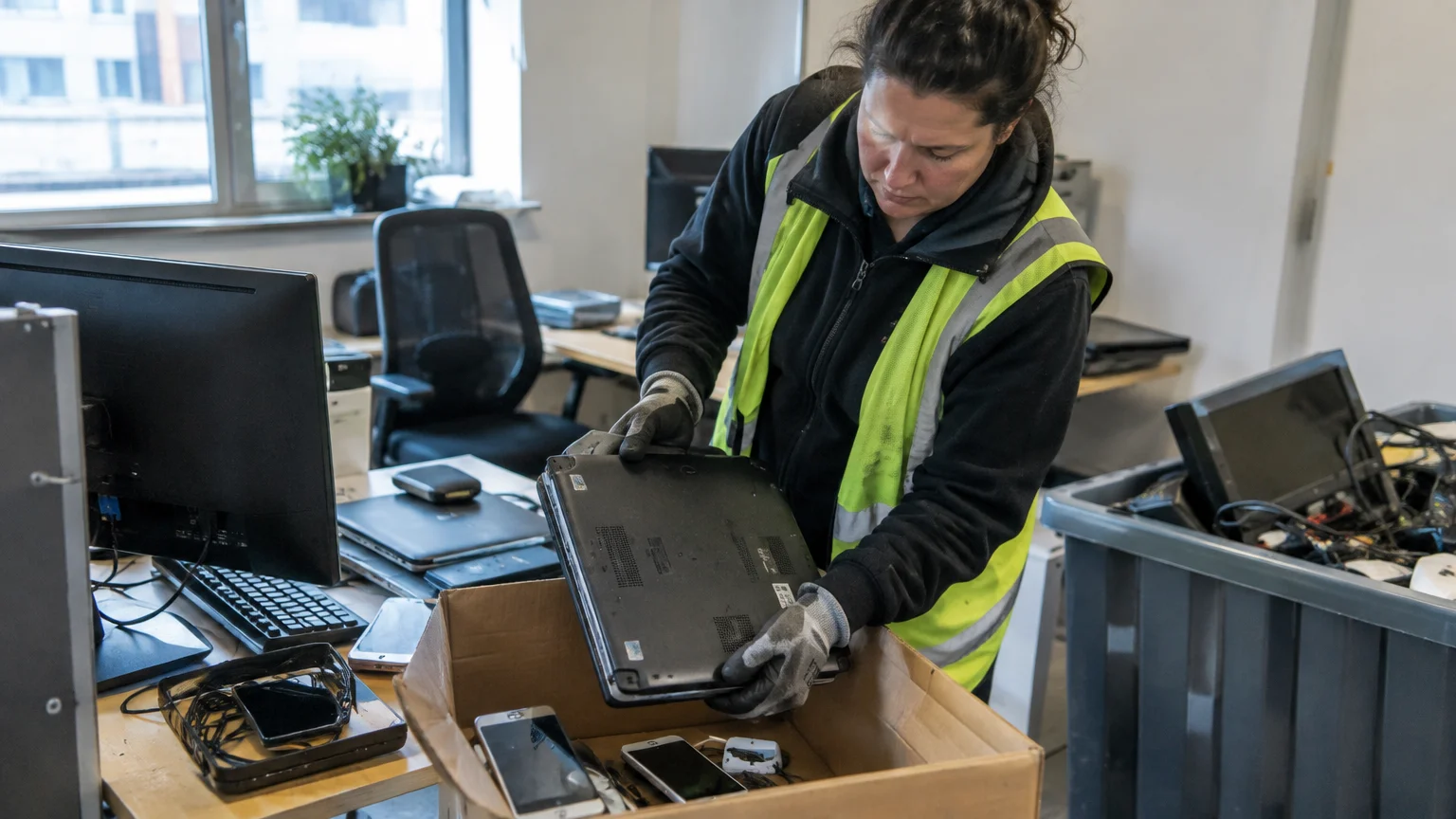
Printers, computers, phones, screens, and other devices may need special care. Cables, batteries, and old office machines may need a separate plan too. Boxes of paper, worn supplies, broken decor, and unused items can also build up. Not everything that looks unwanted belongs in ordinary rubbish.
First, ask who owns each item and whether it still works. Then check for business records, saved data, or parts that need separate recycling. A working desk may be used again, while a broken printer may need an approved electronics route. New Port Richey Junk Removal can help New Port Richey businesses think through the items before removal.
How should a business plan an office junk removal project?
Start with a list of items, a work area, and a time that limits disruption. The plan should also cover building access, staff roles, and rules from the property manager. Good planning helps everyone avoid confusion on removal day.
Set goals, scope, and a workable schedule
Begin by asking why the office needs a cleanout. A move, remodel, lease change, or office reset may need a different plan. Choose which rooms are included, what will stay, and what must go. A room-by-room list gives staff and the removal team a shared view of the work.
Pick a time that fits the business day. A team might clear one storage room before moving to shared work areas. This can keep desks and walkways open for staff who still need them. Leave enough time to sort and pack items, and to get approval for large or built-in pieces.
Coordinate with staff, property managers, and building operations
Tell staff what will be removed and when the work will happen. Ask them to label personal items and work equipment that must stay. Choose one manager to answer questions and approve changes. This can stop a useful item from being removed by mistake.
Check the building rules before you set a date. The property manager may have rules for loading areas, elevators, doors, or work hours. Some buildings may ask for proof of insurance or notice before a service team arrives. Check these details early and share them with everyone involved.
Buildings in New Port Richey can have different layouts and access rules. New Port Richey Junk Removal can work from the details the business provides. Note stairs, loading access, and any limits on where items can wait. Keep the plan clear and update it if the work area changes.
How can you sort office items before removing them?
Sort items by what happens next: reuse, donation, recycling, or disposal. Use clear labels and keep each group in a separate area. This helps people find useful items and keeps records, electronics, and personal property from getting mixed into the wrong pile.
Separate items for reuse, donation, recycling, and disposal
Before setting an item aside for reuse or donation, ask if it is safe, clean, and useful. A working chair or shelf may help another team or local group. Do not pass on items that are broken or unsafe as if they still work. Check with a receiving group before setting aside large items, since its rules may be different.
Set up marked areas or containers for each group. Keep walkways open, and do not stack heavy items where they could fall. In a large office, use the same labels in every room. A short note for staff can explain where each group belongs.
- Reuse: Items the business will keep or use in another place.
- Donation: Clean, useful items that a receiving group agrees to take.
- Recycling: Materials accepted by a suitable recycling program.
- Disposal: Items that cannot be reused or accepted for recycling.
Identify confidential records and items that need special handling
Keep files, labels, and storage devices separate until the right person checks them. Confidential records are papers or data that should not be seen or shared without permission. Follow the business rules for keeping, shredding, or disposing of these records. Never put private papers in a general junk pile.
Some items need special care because they contain batteries, chemicals, or parts that do not belong in ordinary waste. Make a separate list and ask the right local waste or recycling service what to do. If an item is leaking, damaged, or hard to identify, do not move it without advice. Mark the area and keep staff away until the next step is clear.
What should businesses know before removing office electronics?
Before removing electronics, protect saved data, check who owns each device, and sort items by type. Computers and phones may hold private business information even when they no longer work. Batteries and many electronic items should not go in ordinary rubbish.
Protect data and prepare devices for removal
Ask the person who manages business technology to review each computer, phone, printer, or storage device. Follow the company’s steps for removing data before a device leaves the office. Deleting a file may not fully clear a device. Follow trusted instructions for that model or ask an IT worker for help.
Keep devices that still need review in a secure area. Label them so staff know they are not ready to go. Remove business labels or account details only after the right person says it is safe. If a device belongs to a staff member or leasing company, confirm who can approve its removal.
A simple device list can show the item type, owner, and next step. Do not write passwords or private data on the list. This record can help the business track items as they move to reuse, recycling, or another approved route.
Keep electronics and batteries out of ordinary waste
Electronics recycling means collecting and processing devices so their parts can be handled apart from regular rubbish. Local choices and accepted items can differ. Ask a suitable electronics recycler or local waste program what it accepts before taking devices there.
Keep loose batteries separate and cover exposed ends when it is safe and suitable. Follow the battery maker’s advice. Do not put damaged batteries in a regular pile or container. If a battery is swollen, hot, leaking, or damaged, keep people away and ask the right local safety or waste service what to do. These steps can lower avoidable risks during an office cleanout.
How can you remove office junk safely and efficiently?
A safe cleanout starts with a clear route, a tidy work area, and a plan for heavy or awkward items. Staff can sort items and handle light tasks, but should not lift things beyond their ability. Get trained help for bulky loads, hard access, or items that may not be safe to move.
Prepare access routes and protect the workspace
Before removal starts, move loose supplies and small items away from doors and halls. Protect floors and walls where large objects will pass. Keep exits open and make sure staff can still reach the areas they need. Separate the work zone from people who are not part of the cleanout.
Measure tight doors or elevator spaces if large furniture needs to pass through. Find out if furniture can come apart, and keep its parts together. Do not block fire doors, stairs, or building equipment. In a shared building, tell nearby tenants when noise or movement may affect them.
Reduce lifting, trip, and disruption risks
Keep boxes small enough for one person to carry safely. Do not stack them so high that they block the view of the path. Use a trolley for suitable loads instead of carrying them by hand. Do not ask one person to move a heavy desk or cabinet alone. Leave loads that are too heavy, awkward, or hard to grip for trained removal staff.
Loose cables, open drawers, and items on the floor can cause trips. Move cords out of walkways when it is safe and allowed. Staff should wear closed-toe shoes and follow building safety rules. Stop work if a route becomes blocked or an item shifts in an unexpected way.
Some office cleanouts involve more than moving unwanted furniture. Staff may need to sort items, protect shared spaces, and follow building access rules. For larger jobs, choose one person who can answer questions and keep everyone informed. This helps the work stay organized without making every employee responsible for removal.
What affects the time and effort needed to remove office junk?
The time and effort depend on the number and size of items, and how easy they are to reach. Building rules, sorting needs, and material types also matter. Clearing one small room with easy access is different from clearing a full floor with heavy furniture and limited loading space.
Consider item volume, access, and building requirements
Start by looking at how much there is and what it is made of. Moving a few chairs is simpler than clearing rows of desks, cubicle panels, and file cabinets. Heavy or bulky items may need more people, tools, or time to move safely. Items that need review or sorting can add steps too.
Access can change the plan. A loading door near the work area may help. Stairs, long halls, tight turns, or elevator limits may make removal harder. Ask the property manager about access times, lift bookings, and loading rules. Share these details with the removal team before the work date.
A move or remodel may bring extra needs. The business may need to protect finished floors, keep some rooms open, or clear items by a set date. Explain these needs early so the team can plan the order of work. This can help limit disruption to the business.
Plan around business operations and disposal needs
Choose a work time that lets staff do their jobs. If the whole office cannot close, divide the cleanout into smaller areas. Clear storage first, then shared spaces when staff can work elsewhere. Tell employees when halls or meeting rooms may be busy.
The next step for each item can also affect the plan. Reuse, donation, electronics recycling, and disposal may have different rules. Check what receiving groups will accept before setting items aside. A clear sorting plan can prevent repeat handling and keep rejected items from slowing the work.
For a business that needs help with several rooms, commercial cleanout services can support the removal plan. Give the service team a clear list of items, access details, and building rules. Before work begins, confirm the plan, including what is included and which items need separate handling.
How can a business prepare for its next office cleanout?
A business can make future cleanouts easier by keeping a simple list of equipment, naming a staff lead, and setting rules for unwanted furniture and devices. Regular checks can find items that are no longer used before they fill storage rooms. A repeatable plan also helps staff protect records and sort items well.
Create a simple process for future furniture and equipment changes
When new furniture or devices arrive, decide what will happen to the old items. Record who owns them and whether they can be reused, donated, recycled, or removed. Keep the notes with the business’s usual equipment records. Staff will then know where to check before moving anything.
Choose a point person for cleanouts and share the basic steps with staff. The plan can explain how to label items, protect records, and report equipment that needs special care. Check building rules again if the business moves, changes its space, or gets a new property manager. Small checks can help prevent a rushed cleanout later.
Key takeaways
- Decide what stays, what can be reused, and what must leave.
- Keep confidential records and devices separate until reviewed.
- Check building access and work rules before setting a date.
- Keep walkways clear and leave heavy lifting to trained people.
- Confirm where electronics, batteries, and special items should go.
Frequently Asked Questions
How do businesses handle a large office cleanout?
Start with a list for each room, choose a staff lead, and agree on what stays or goes. Then check building access, protect records, and sort items by their next step. At a large site, clear one area at a time to limit disruption and keep the work in order.
How should a business get rid of old office furniture?
First check whether the furniture belongs to the business or the property owner. Set aside safe, useful pieces for reuse or donation, and ask receiving groups what they accept. Broken or unsafe items may need another route. Do not leave furniture in shared halls or outside without approval.
Can office electronics go in regular rubbish?
Many electronics and batteries should stay out of ordinary rubbish. They may have parts that need separate recycling or care. Ask a suitable local electronics recycler or waste program what it accepts. Before a device leaves, have the right person protect any business data it holds.
What should happen to private files during a cleanout?
Keep private files away from general junk until an authorized person reviews them. Follow the business rules for storage, shredding, or secure disposal. Do not leave papers in an open pile or give them to a donation group. Ask the person in charge of records if the next step is not clear.
Do staff need to move heavy office items themselves?
No. Staff can sort light items and label areas, but should not lift anything that feels too heavy or awkward. Use moving tools only when staff know how to handle them safely. Trained removal help is a better choice for large desks, cabinets, and items on stairs.
A well-planned office cleanout helps a business clear space while protecting people, records, and useful items. Start by sorting, checking building rules, and making a safe removal plan. Contact us today to discuss an office cleanout with New Port Richey Junk Removal.
Businesses in New Port Richey can learn more about office cleanout planning and decide what support fits their needs.