The phrase furniture removal pa refers to arranging help to remove unwanted furniture in Pennsylvania. The service may include carrying bulky items out of a home and taking them away for sorting. Knowing what is accepted, how to prepare, and when to ask for help can make removal safer and easier.
Table of Contents
- What does furniture removal include?
- When should you hire a furniture removal service?
- How do you prepare furniture for removal?
- Can couches, mattresses, and dressers be removed?
- How is furniture removed safely from a home?
- What happens to furniture after it is removed?
- Can furniture be donated instead of hauled away?
- How does furniture removal compare with larger cleanouts?
- How do you choose a furniture removal company in Pennsylvania?
- What should you expect on furniture removal day?
- Frequently Asked Questions
- Key takeaways
- Conclusion
What does furniture removal include?
Furniture removal usually means taking unwanted household furniture out of a home and hauling it away. Common items include couches, chairs, tables, beds, mattresses, dressers, desks, and shelves. Before booking, name each item and ask whether the service can take it.
Common household items removed
Many removal teams handle large items that are hard to move alone. These may include a sectional sofa, a heavy dining table, a bed frame, or a large entertainment center. Some companies can take several pieces during one visit, which may help when a room needs to be cleared.
Furniture may be in a living room, bedroom, basement, attic, or garage. Not every provider accepts every kind of item. Built-in cabinets, goods with special disposal rules, or furniture mixed with other debris may need a different plan. List each item when you ask about service so the company can explain what it can handle.
How removal differs from donation or delivery
Furniture removal means carrying items out and taking them away for sorting or disposal. It is different from furniture delivery, which brings a new item into the home. Removal also does not mean that every item will be donated.
Donation depends on the item’s condition and on what a local group accepts. A removal company may not be a charity or donation center. New Port Richey Junk Removal can explain its furniture pickup process and what may happen after collection. Asking ahead helps you know what to expect.
When should you hire a furniture removal service?
A removal service may help when furniture is too large, heavy, or awkward to move safely. It can also help when several items need to go during a move, home update, or cleanout. If an item is easy to carry and you already have a safe way to dispose of it, you may not need professional help.
Moving, downsizing, and estate cleanouts
Moving or downsizing often means choosing which furniture will fit in the next home. A pickup can remove items that will not make the move, leaving less to sort on moving day. It can also help families during an estate cleanout, when a home needs to be cleared after a major change.
A foreclosed home cleanout may include furniture, household goods, and other unwanted items. First, decide what must stay, what may be donated, and what needs to be hauled away. Ask the removal team about the job size and access to the property. Clear directions help prevent mistakes about which belongings should leave.
Replacing damaged or outdated furniture
A broken chair, sagging couch, or damaged dresser can take up useful space. Sharp edges, loose parts, or a weak frame can also make an item hard to move. You can move small, safe items yourself, but large or unstable pieces need more care.
The age of a piece does not mean it must be thrown away. Someone may want it for reuse, repair, or donation if it is clean and sturdy. When furniture is unsafe, badly damaged, or not accepted by donation groups, hauling may be the more useful choice. The best option depends on the item and local rules.
How do you prepare furniture for removal?
Start by choosing which items are going and clearing a safe path to them. Remove loose objects from drawers, shelves, and nearby floors. Tell the team about narrow doors, stairs, or other access problems before work begins.
Clear access routes and measure large items
Move small rugs, shoes, toys, and other trip hazards away from the route. Open doors when possible and clear the halls. Measuring a large sofa or dresser, as well as doorways and stair turns, can help show if it will fit in one piece.
A piece that does not fit may need to be turned, taken apart, or moved another way. Do not force furniture through a tight space. Forcing it may harm walls, floors, or the item, and may cause an injury. Tell the team about tight corners or steep stairs so they can plan before lifting.
Separate items that should stay
Mark furniture that must stay and keep it apart from pickup items. This is extra helpful during a busy move or cleanout. A clear label or separate room can help everyone avoid mix-ups.
Empty drawers and cabinets before the visit. Check for papers, keys, small valuables, and items under cushions. Remove loose glass shelves or other parts only if you can do so safely. Do not lift heavy furniture alone to look underneath or take it apart. If a piece contains an appliance or another item that needs special handling, mention it when arranging service.
Can couches, mattresses, and dressers be removed?
Many furniture removal services accept couches, mattresses, and dressers, but rules can differ by company and item. Describe the furniture and where it is in the home before scheduling. This helps the team confirm what it can take and plan for bulky pieces.
Handling bulky and awkward furniture
Couches can be hard to carry because they are wide, soft, and tough to grip. Sectionals may split into smaller pieces, while some sofas need careful turns through halls or doorways. Dressers can still be heavy when empty, so remove or secure drawers as advised.
You do not need professional help for every piece. A small chair or light table may be easy to move with another adult and a clear path. Heavy, unstable, or oversized furniture can put people at risk. If an item must go down stairs or through a tight space, trained help is a safer choice.
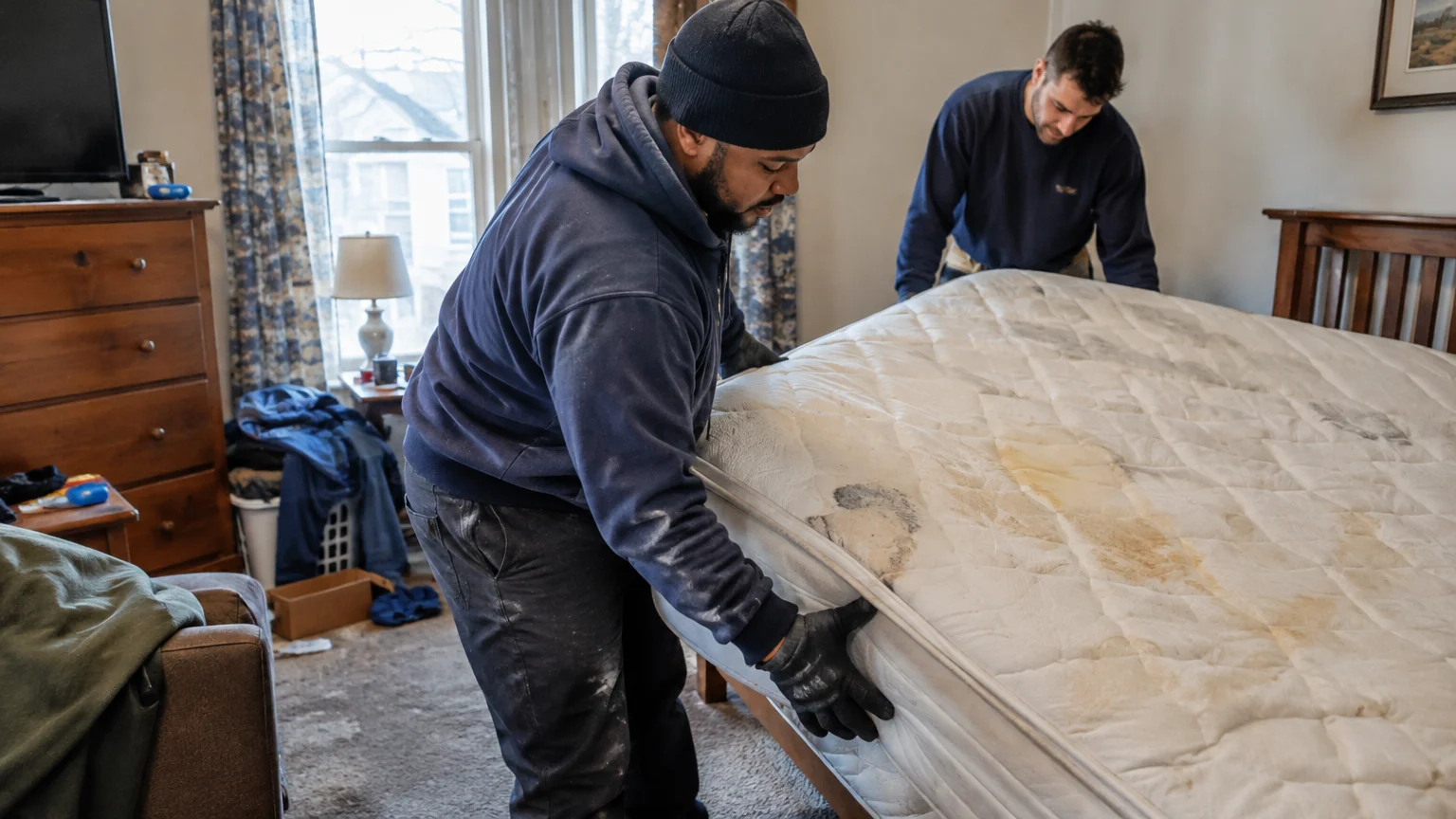
What to know about mattresses and upholstered items
Mattresses and upholstered furniture may need different handling based on condition and local disposal choices. A clean, usable item may be accepted by a donation group, while a stained or damaged one may not qualify. Ask the group about its rules before planning a drop-off.
Keep items dry and clear of pests or strong odors when you can. A removal company may have its own rules for mattresses and soft furniture. Mention tears, stains, or other damage when asking about pickup. This helps the company explain what it can accept and what else you could do.
How is furniture removed safely from a home?
Safe removal begins with a plan for the item, the route, and the people helping. The team may check the furniture’s size, weight, and condition before moving it. You can help by keeping children, pets, and other people away from the work area.
Protecting floors, walls, and doorways
Clear paths make it easier to carry furniture without hitting nearby items. The removal team may use safe lifting methods and take care around door frames and walls. Point out delicate floors, loose steps, low ceilings, and narrow turns before the work starts.
Do not try to catch or steady a falling piece of furniture. Keep back and let the workers guide the move. If the route seems blocked, pause and talk about another way. A clear path and clear communication help lower the chance of damage or injury.
When disassembly may be needed
Some items can be taken apart to fit through a doorway or make carrying safer. Bed frames, table legs, and removable sofa sections may come apart. Not every item is easy to take apart, so the team should check before anyone removes parts.
You can do simple tasks, such as emptying a dresser or taking off loose cushions. Avoid cutting, prying, or using power tools on heavy furniture unless you have the right skills. These actions may create sharp edges or cause the item to shift. If a piece is fixed to a wall or built into a room, explain that before removal is planned.
What happens to furniture after it is removed?
After pickup, furniture may be considered for reuse, donation, recycling, or disposal. The next step depends on its condition, the materials, and what local groups or facilities accept. A company should not promise donation for every item, since some furniture is not fit for another user.
Reuse and donation when items are suitable
Furniture that is clean, safe, and usable may be a good fit for reuse. A local charity or reuse group can explain what it accepts and whether it takes large items. Some groups ask for photos or details before setting up a pickup.
Ask the removal company how it sorts items and whether it works with local donation partners. Rules can change, and acceptance is not certain. If donation matters to you, confirm the plan before pickup and ask what should be set aside. This helps keep usable pieces apart from items that cannot be reused.
Recycling and responsible disposal
Furniture can contain wood, metal, fabric, and plastic. Some parts may be recycled where local programs accept them. Other parts may need an approved disposal option. The choices depend on the item and the facilities in the area.
Ask how the company handles furniture that cannot be reused. You can also check local waste rules for items with special needs. A refrigerator or other appliance is not ordinary furniture, and it may need a separate plan. Mention these items early instead of assuming they can go with a couch or dresser.
Can furniture be donated instead of hauled away?
Yes, furniture may be donated if it is clean, safe, and accepted by a local group. Donation can be a good choice when another person can use the item. Check the group’s rules before moving furniture to a drop-off site or arranging a pickup.
Assessing condition and cleanliness
Check that the furniture is sturdy and does not have major damage. Look for broken frames, deep stains, strong odors, pests, or missing parts. A donation group may turn down items that need repair or cannot be cleaned safely.
Take clear photos if the group asks for them. Describe damage honestly and ask whether the item meets its current rules. Do not leave furniture outside a donation site unless the group says it accepts items left there. Items left without approval may become a disposal problem instead of a useful gift.
Planning for donation pickup or drop-off
Donation pickup may need advance planning, and not every group collects large furniture. Ask which areas it serves, what items it takes, and how the furniture must be ready. If you plan to drop it off, make sure your vehicle and helpers can carry it safely.
When donation is not practical, a removal service can still help clear the home. You can separate usable pieces from damaged ones and make a different plan for each. This may help during a move or a full house cleanout. Confirm acceptance before you count on a piece finding a new home.
How does furniture removal compare with larger cleanouts?
Furniture removal focuses on bulky household items. A larger cleanout may include furniture, boxes, appliances, and other household junk. The right service depends on how many items need to go and what kinds of items are there. Describe the whole job so the company can suggest a suitable plan.
Choosing between a furniture pickup and a full cleanout
One couch or a bedroom set may need a focused furniture pickup. A home with unwanted items in several rooms may need a wider cleanout plan. A full-service junk removal company may take more than furniture, but confirm its accepted items and process first.
If the job includes trash removal, household goods, or appliances, list each item when you ask about service. A broken refrigerator, for example, may need different handling from an old dresser. Do not assume one visit can take every item. Ask about limits and items that need special preparation.
Planning a larger home clear-out
For a large cleanout, sort belongings into groups: keep, donate, recycle, and remove. Set aside personal papers and items that must not leave. For a foreclosed home or estate property, confirm who can make decisions about the contents.
A team can work more smoothly when the job is clear. Share which rooms need help, what must stay, and whether stairs or limited parking may affect access. New Port Richey Junk Removal can talk through household junk removal and help you decide whether the job is a furniture pickup or a wider cleanout. In New Port Richey, clear plans can help prevent delays and mix-ups.
How do you choose a furniture removal company in Pennsylvania?
Choose a company by checking what it accepts, where it works, and how it handles removal and disposal. A clear talk before the visit can prevent surprises on the day. Compare service details instead of relying only on a company name or short online listing.
Questions about handling, disposal, and access
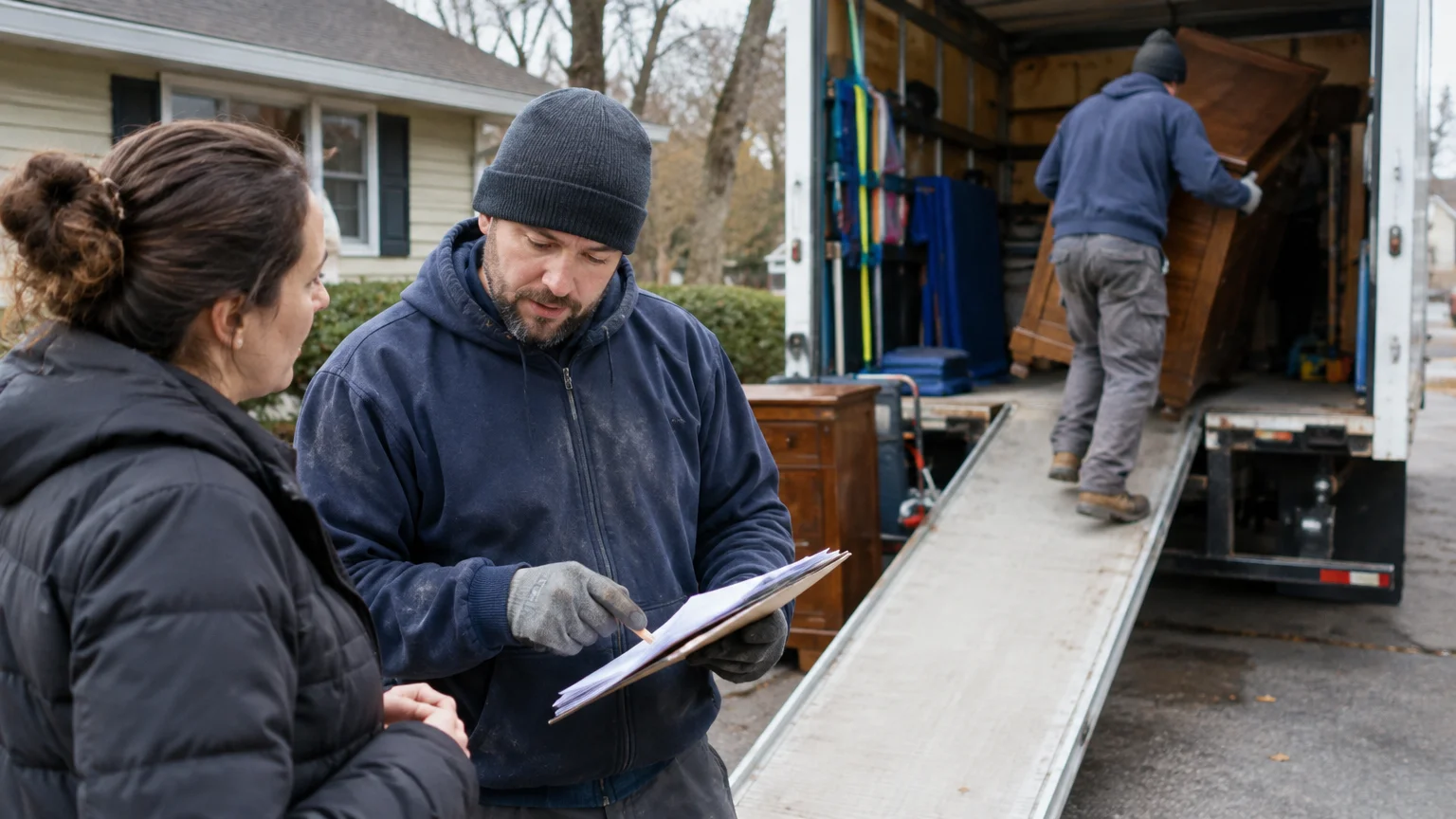
Ask whether the company takes each type of furniture and can remove it from the room where it sits. Share details about stairs, narrow doors, elevators, and long walks to the truck. Ask what you need to do before the visit and how the team handles items that may be reused.
It is fair to ask what happens to furniture that cannot be donated or recycled. A clear answer helps you understand the process. Do not assume every junk removal company follows the same rules. The company should explain what it can take and what needs another plan.
Checking service coverage and expectations
Confirm that the company serves your area. Service areas can differ, even between nearby towns. For local readers, New Port Richey Junk Removal serves the New Port Richey area, including Downtown New Port Richey, Gulf Harbors, Port Richey, Trinity, Holiday, Elfers, and nearby communities. Ask the company to confirm service for your address.
Ask who will move the items, whether you need to be present, and how changes to the item list are handled. Keep the details simple and clear. New Port Richey Junk Removal can explain the steps before you arrange residential junk removal. Choose a provider whose process fits the job and the home’s access needs.
What should you expect on furniture removal day?
On removal day, the team should confirm which items are going and review the path out of the home. Point out furniture that must stay and share any access concerns. Staying available for questions can help the visit follow the plan.
Confirming the items and access plan
Before lifting starts, review the item list together. Tell the team if a piece is fragile, very heavy, or hard to reach. Keep pets and children away from halls and work areas while furniture is being moved.
If an item cannot fit through the planned route, pause and discuss choices. Do not ask the team to force it through a narrow opening. Another path or safe disassembly may be needed. Calm, clear talk helps you and the crew make a sound choice.
Final walkthrough after removal
After the furniture is gone, check the rooms and agreed access areas. Look for personal belongings that may have been left behind and make sure the planned items were removed. If a piece was meant to stay, check that it is still there.
Look for visible marks near the route and mention any concern right away. A final walk-through helps after a small pickup or a larger home cleanout. It gives everyone a chance to check that the work matches the plan before the team leaves.
Frequently Asked Questions
How can someone get rid of old furniture?
First, check whether the furniture is clean, safe, and useful to someone else. A local donation group may accept suitable pieces. If an item is damaged, too large to move, or not accepted, a furniture removal service may haul it away. Confirm the company’s rules before pickup.
How can someone get rid of broken furniture?
Keep broken furniture apart from items that may be reused. Small pieces may fit local waste options, while large or heavy items can be hard to move safely. Ask a removal company whether it accepts the item and how it handles damaged materials. Keep sharp or loose parts away from walkways.
Can a removal company take a refrigerator with furniture?
Some companies handle furniture and appliances, but the rules may differ. A refrigerator may need special preparation and disposal, so mention it when arranging service. Ask whether the company accepts it and what steps are needed before pickup. Do not leave it outside for collection without confirming the plan.
What should someone do before a furniture pickup?
Empty drawers and cabinets, clear the path, and separate items that must stay. Measure large furniture and tight doorways when you can. Tell the company about stairs, narrow turns, and damage to the item. These steps help the team plan and reduce confusion or unsafe lifting.
What does furniture removal pa mean for homeowners?
It means arranging furniture hauling in Pennsylvania, rather than moving an item to another room. The service may include carrying bulky pieces out and taking them away for sorting or disposal. What a company accepts and how it handles each item can vary, so confirm details before scheduling.
Key takeaways
- Furniture removal may help with bulky items that are unsafe or hard to move alone.
- Donation depends on the item’s condition and the receiving group’s rules.
- Clear paths, empty drawers, and a clear item list help prepare a home.
- Appliances and larger cleanouts may need a separate plan.
- Confirm service coverage, accepted items, and handling steps before arranging pickup.
Conclusion
Furniture removal can make a move, room update, or home cleanout easier to manage. The best plan depends on what needs to go, the furniture’s condition, and the route out of the home. You can handle simple preparation yourself, while heavy, awkward, or unsafe items may need trained help.
For help planning a furniture pickup, Contact us to discuss the items and arrange the next step with New Port Richey Junk Removal.
If you are not sure what you are dealing with, it is worth having someone look at it before it turns into a bigger job. Get in touch with New Port Richey Junk Removal today and we will tell you where you stand.